
Corporate Golf Events
Looking For Corporate Golf Events? Here Are 10 Things You Should Know
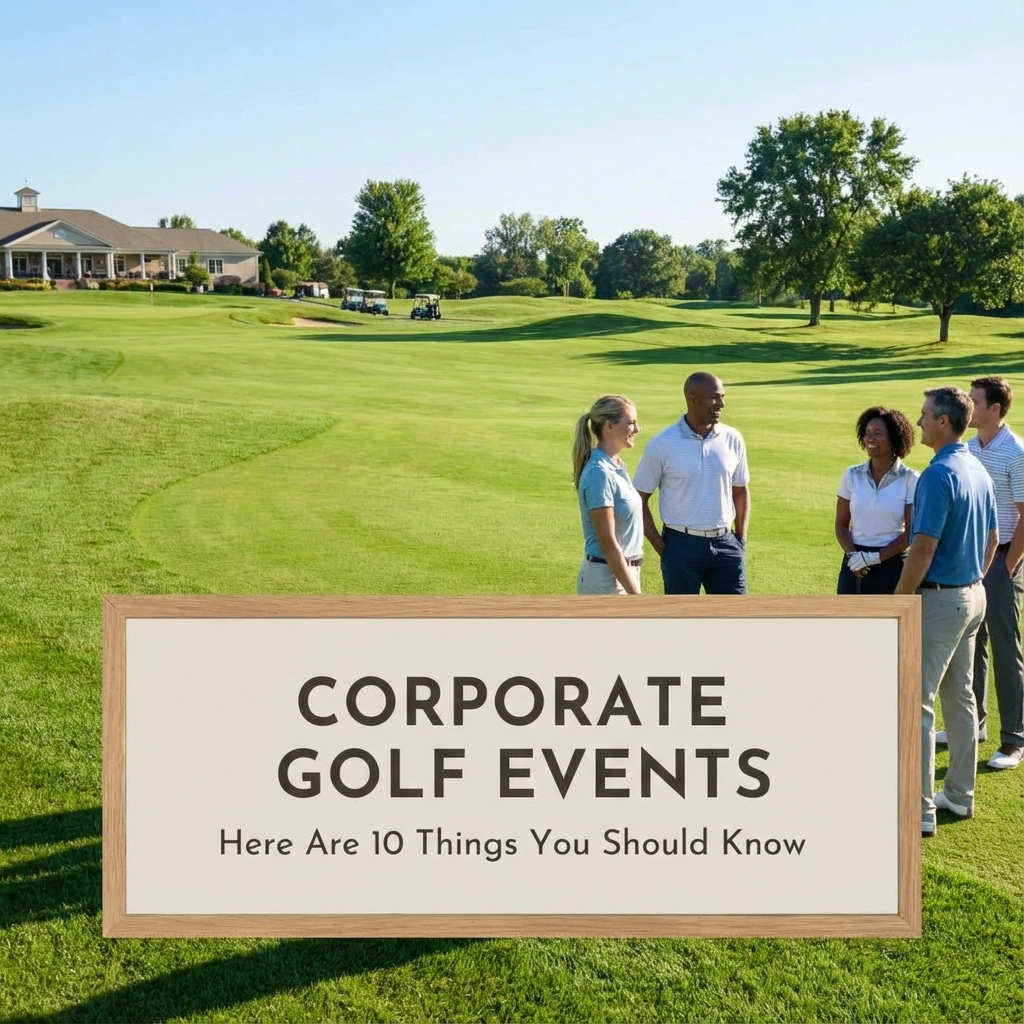
Corporate golf events deliver powerful business results when executed properly. Whether you're planning your first tournament or looking to improve your existing events, these ten essential factors will determine your success.
1. Your Event Objectives Drive Every Decision
Define your primary goal before making any other choices. Are you building relationships with key clients? Strengthening internal team bonds? Raising funds for a cause? Your specific objective shapes everything from venue selection to guest list composition.
Client-focused events require premium courses and elevated hospitality. Team-building events can utilize more accessible venues with emphasis on group activities. Fundraising tournaments need strong sponsorship opportunities and donation mechanisms built into the format.
Write down your primary objective and refer back to it when making decisions. This prevents scope creep and ensures every element supports your main goal.
2. Budget Planning Requires Multiple Revenue Streams
Successful corporate golf events balance expenses with strategic revenue generation. Your budget must account for venue fees, catering, prizes, marketing materials, golf cart rentals, and administrative costs.
Create offsetting revenue through registration fees, sponsorship packages, and auxiliary income sources. Registration fees typically cover basic participation costs. Sponsorships provide the margin for premium elements like branded merchandise, upgraded catering, and meaningful prizes.
Plan for 20% budget contingency. Golf events involve weather risks, last-minute participant changes, and unexpected expenses that can derail poorly budgeted tournaments.

3. Tournament Format Affects Participation and Engagement
Choose your format based on participant skill levels and event objectives. The scramble format works best for mixed skill groups and client entertainment. Each team selects the best shot from their group, keeping all players involved throughout the round.
Best ball tournaments suit more competitive environments while remaining accessible to average golfers. Stroke play events work for serious golfers but can frustrate beginners and slow play significantly.
Consider modified formats that add engagement elements. Shamble tournaments combine scramble tee shots with individual play from the second shot forward. This creates excitement on tee boxes while maintaining individual accountability.
4. Venue Selection Extends Beyond Course Quality
The golf course represents just one component of your venue evaluation. Assess the facility's event hosting capabilities, including dining areas, meeting spaces, parking capacity, and staff experience with corporate events.
Location accessibility matters significantly. Choose venues within reasonable driving distance of your target participants. Premium courses in remote locations may impress but limit attendance from busy executives.
Evaluate the course's capacity for your group size. Crowded courses create slow play and frustrated participants. Ensure adequate tee time availability and consider exclusive access if your budget allows.
5. Planning Committees Distribute Workload Effectively
Assemble a dedicated planning team with defined roles. Assign an event chair to oversee the entire project, a sponsor chair to develop revenue opportunities, and an operations director to manage logistics.
Include committee members with relevant connections and expertise. Someone with golf industry contacts can negotiate better venue rates. A marketing professional can develop more effective promotional strategies.
Hold monthly planning meetings starting six months before your event. Create accountability with specific deliverables and deadlines for each committee member.
6. Sponsorship Packages Create Win-Win Opportunities
Develop tiered sponsorship levels that provide clear value propositions for business partners. Title sponsors receive maximum visibility through event naming rights, signage, and promotional materials.
Hole sponsorships offer affordable entry points for smaller businesses while generating meaningful revenue. Beverage cart sponsorships create ongoing brand exposure throughout the event day.
Create custom packages for major sponsors that align with their marketing objectives. Technology companies might sponsor digital scoring systems. Equipment manufacturers can provide branded prizes or demo opportunities.
7. Additional Activities Maintain Engagement for All Skill Levels
Incorporate contests and side activities that keep every participant engaged regardless of golf ability. Closest-to-the-pin competitions on par-3 holes create excitement for accurate short iron players.
Longest drive contests appeal to players who prioritize distance over accuracy. Hole-in-one contests generate buzz but require insurance coverage for valuable prizes.
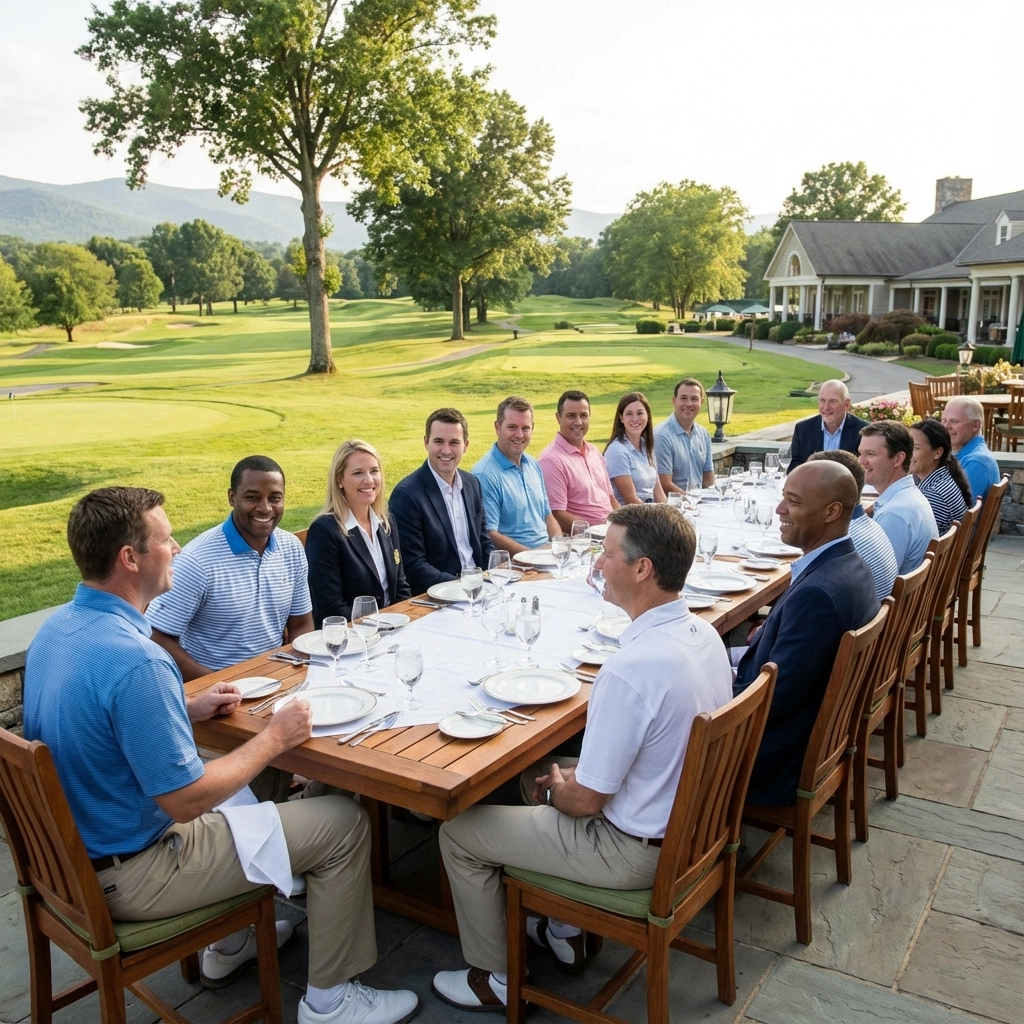
Consider non-golf activities for networking opportunities. Silent auctions during lunch breaks, putting contests before dinner, or post-round cocktail hours facilitate business relationship building.
8. Custom Branding Materials Enhance Professional Image
Invest in quality branded materials that reflect your organization's standards. Custom golf polos for staff members create a professional appearance and serve as lasting marketing tools.
Provide thoughtful participant gifts that extend your event's impact. Branded golf balls, towels, and divot repair tools see regular use and maintain brand visibility long after the tournament concludes.
Design custom scorecards with course information, contest details, and sponsor recognition. Well-designed materials demonstrate attention to detail and enhance the overall participant experience.

9. Timeline Management Prevents Last-Minute Problems
Start planning 9-12 months in advance for large corporate events. Book your venue and establish your date early to avoid conflicts with other major tournaments or business events.
Form your planning committee and establish your budget 8-9 months out. Begin sponsor outreach 6 months before your event to allow adequate time for proposal review and contract negotiations.
Send participant invitations 10-12 weeks in advance. This provides sufficient notice for busy executives while maintaining urgency for registration deadlines.
10. Marketing Strategy Determines Participation Quality
Develop targeted marketing that reaches your desired participant demographic. LinkedIn campaigns effectively reach business professionals. Email newsletters work well for existing client and vendor relationships.
Create compelling event descriptions that emphasize networking opportunities and business value beyond just golf. Many executives participate primarily for relationship-building opportunities rather than the golf itself.
Implement efficient registration systems that capture necessary information while minimizing friction. Collect dietary restrictions, handicap information, and pairing preferences to enhance participant experience.
Making Your Corporate Golf Event Successful
Corporate golf events succeed through careful planning and attention to detail. Focus on your specific objectives, create detailed budgets with multiple revenue streams, and assemble experienced planning committees.
Choose venues that support your goals and participant needs. Develop meaningful sponsorship opportunities and incorporate engaging activities for all skill levels. Professional branding and efficient marketing systems complete the foundation for successful corporate golf events.
Ready to plan your next corporate golf event? Contact our team to discuss how we can help create an memorable experience that achieves your business objectives.
